16 February 2026
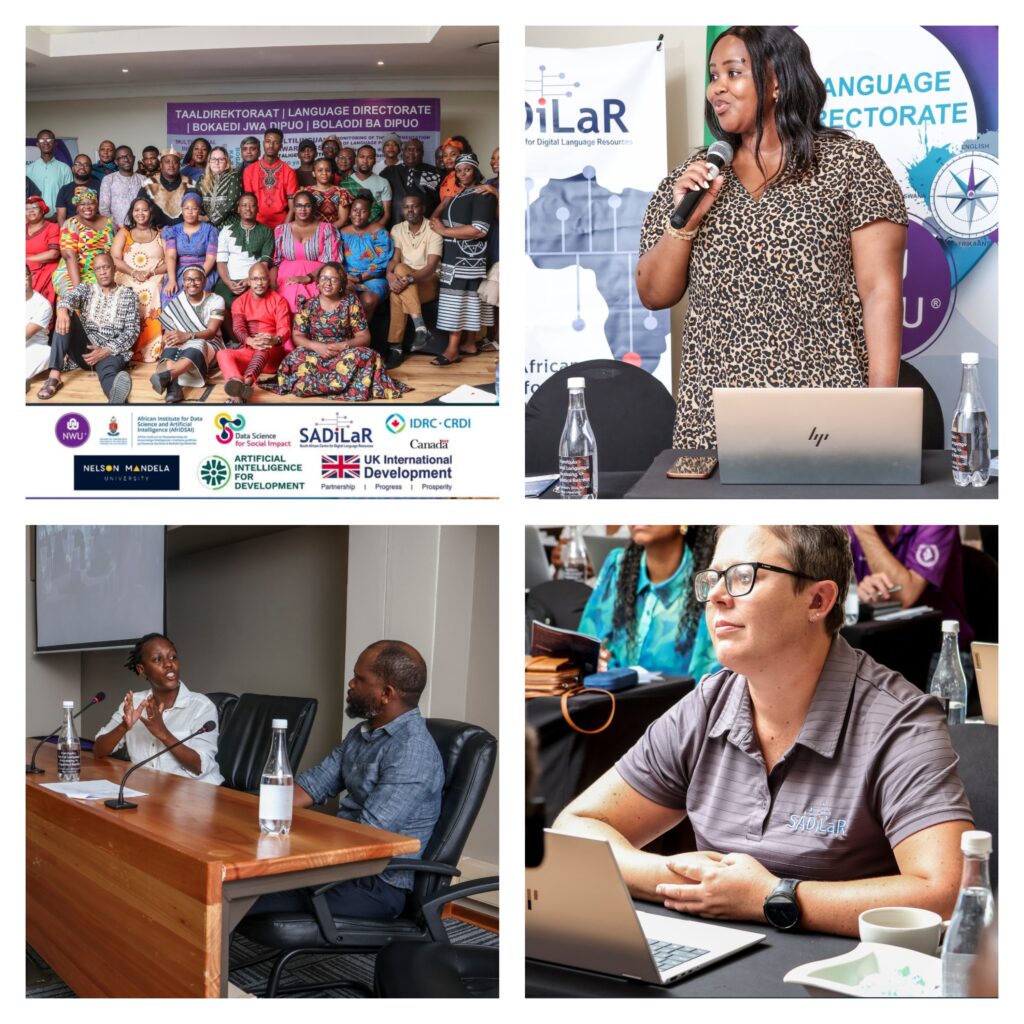
The 5th Hundzula NLP and Linguistics Retreat took place from 3–7 February 2026 at North-West University’s Mahikeng Campus, South Africa. The retreat aims to establish a networking and collaboration platform for both humanities and computer science researchers and enthusiasts through learning, teaching and supporting each other.
Computer scientists and linguists from various higher education institutions in Southern Africa, including participants from Lesotho, Zimbabwe, Nigeria, Tanzania and South Africa, used the event to share their own work, invite others to add value to their research through multidisciplinary projects, and discuss common issues across the field. The ethos of the event centres around open and shared discussions to promote the growth of southern African languages in natural language processing (NLP) and digital humanities.
SADiLaR’s core mandate is to capacitate research that leads to the digital growth of all official South African languages by supporting language resource development as well as skills development via its ESCALATOR flagship programme. As one of the main sponsors of this year’s retreat, key successes included creating awareness of the infrastructure and support mechanisms in place, and networking to establish more opportunities for collaboration.
The retreat included a number of hands-on workshops to show participants what is possible with currently available resources and tools, and how their expertise feeds into the larger NLP community; whether for language experts performing annotation of data to be used as training data for machine learning and language modelling, or for computer scientists exploring how their technical expertise can help bring solutions to life.
SADiLaR project manager, Ms Marissa Griesel, also led a workshop on data annotation, highlighting the role and importance of linguists and linguistic knowledge in developing NLP solutions for South African languages. She also led a lively panel discussion on improving support to postgraduate students and early-career researchers. This discussion reiterated the need for cross-institutional collaboration to avoid working in silos and improve the knowledge and resources available to students.
SADiLaR is especially excited to explore shared collaboration opportunities in language resource development and human capacity development identified at the retreat.
By: Marissa Griesel